
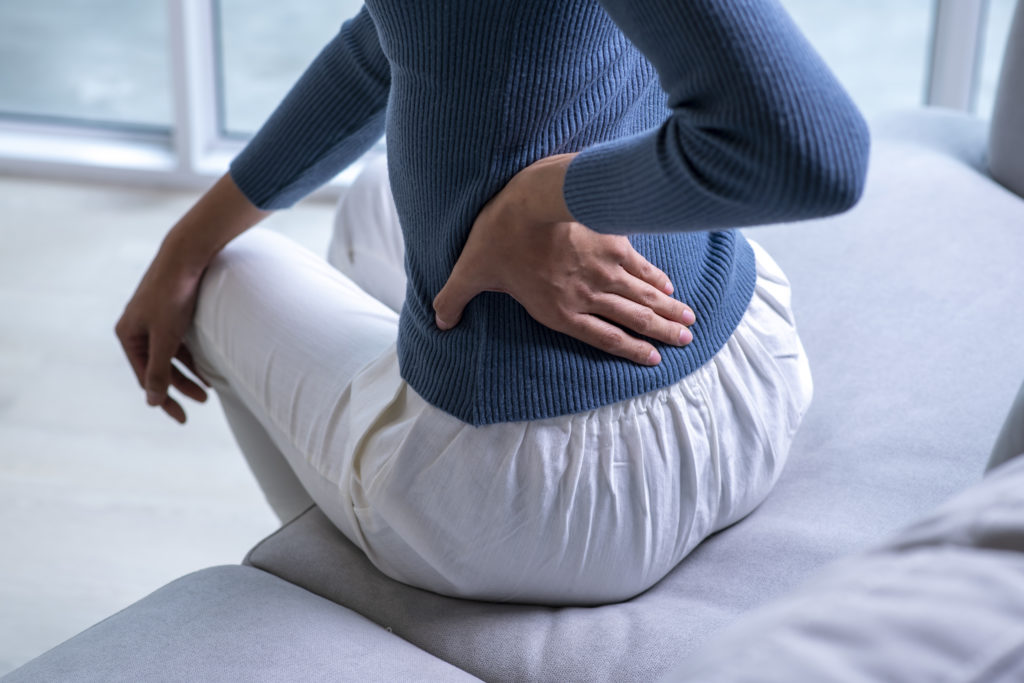
Hip pain has a way of creeping in. At first, it’s a twinge getting out of the car, or a stiffness in the morning that loosens off after a few minutes. Then, slowly, it starts shaping your day – the walks you don’t take, the chair you avoid, the side you can no longer sleep on.
If you’re in your 50s, 60s, or beyond, you may have been told this is “just part of getting older”. It isn’t – at least, not entirely. Age changes the hip joint in real, measurable ways, but those changes don’t automatically mean pain, and they certainly don’t mean you have to put up with it.
This guide explains the common causes of hip pain in older adults, outlines the symptoms that require professional attention, and details the effective treatment options available to help you restore mobility and improve your quality of life. At our Farnham clinic, we are committed to helping you move comfortably again.
How the Hip Changes with Age
Your hip joint is built to last – but it isn’t built to last forever without change. From roughly your 40s onwards, several things start happening simultaneously, and understanding them helps explain why discomfort becomes more common as the decades pass.
Cartilage thins. The smooth, shock-absorbing cartilage lining your hip joint gradually loses water content and elasticity. It becomes less able to cushion the impact of walking, standing, and weight-bearing.
Bone density drops. Particularly after menopause in women, and from around 50 onwards in men, bones lose density. The hip is one of the joints most affected, and lower density means less structural resilience.
Muscle mass declines. This is called sarcopenia, and it’s one of the most underappreciated causes of hip pain in older adults. The gluteal muscles around your hip act as stabilisers. When they weaken – which happens naturally with age unless actively maintained – the joint itself bears more load.
Tendons and ligaments stiffen. The soft tissues that support the hip become less elastic, making the joint feel tighter and more prone to strain.
Hormonal changes alter pain sensitivity and inflammation. The drop in oestrogen during and after menopause is now understood to contribute directly to tendon and joint pain in women – including conditions like gluteal tendinopathy, which is far more common in women over 50 than in any other group.
None of these changes individually cause hip pain. But together, they make the hip more vulnerable to the conditions that do.

Understanding Your Hip: A Quick Anatomy Refresher
Your hip is one of the largest weight-bearing joints in the body, relying on a ball-and-socket mechanism supported by strong ligaments, powerful muscles, and protective cartilage. Each step you take generates substantial force through the joint – and over a lifetime of walking, standing, sitting, and moving, that adds up.
When the joint, its supporting muscles, and the way you load your legs are all working in harmony, your hip manages those forces with natural efficiency. When any one part of that system starts to falter – whether through age-related change, weakness, injury, or altered movement patterns – the others have to compensate. Over time, that compensation is often what produces the symptoms you feel.
This is why treating hip pain well usually means looking at more than just the hip itself.
Symptoms to Watch for
Hip pain can present in several ways depending on what’s causing it. Pay close attention to your specific symptoms and seek professional guidance if any of these become persistent.
Common symptoms of age-related hip pain:
- Aching or sharp pain in the groin, outer hip, thigh, or buttock
- Stiffness in the morning or after sitting for a while, easing as you move
- Pain that’s worse at the end of the day or after a long walk
- Disturbed sleep – particularly difficulty lying on the affected side
- Reduced range of movement – struggling with stairs, getting in and out of cars, or putting on shoes and socks
Red flags – see a doctor urgently if you experience:
- Sudden severe hip pain after a fall
- Inability to bear weight on the leg
- Visible deformity, swelling, or bruising of the hip
- Hip pain alongside fever, unexplained weight loss, or night sweats
These can indicate fracture, infection, or other conditions requiring immediate medical attention rather than routine assessment.
Prompt evaluation of persistent pain can prevent minor issues from developing into chronic or disabling conditions.
The Common Causes of Age-Related Hip Pain
Most hip pain in older adults comes down to one of a handful of conditions – sometimes alone, often in combination. Understanding which is driving your symptoms is the first step towards treating them effectively.
Hip Osteoarthritis
By far the most common cause of persistent hip pain in adults over 50. Osteoarthritis develops when the cartilage in the joint wears down faster than the body can repair it. The result is pain – often felt in the groin, sometimes radiating to the thigh or buttock – morning stiffness that eases with movement, and a gradual loss of range, particularly when rotating the leg or putting on socks.
Around one in four adults over 60 has some degree of hip osteoarthritis, though many manage well without significant symptoms. The condition is progressive, but its impact on your daily life is far from inevitable – strength work, movement modification, weight management, and targeted treatment can all meaningfully change the trajectory.
Gluteal Tendinopathy and Trochanteric Pain Syndrome
Pain on the outer side of the hip – sharp when you lie on it, sore when you stand on one leg, worse after walking – is most often gluteal tendinopathy. This is now understood as the leading cause of lateral hip pain in adults over 40, and it disproportionately affects women, especially around and after menopause.
Older terminology called this “trochanteric bursitis”, and you may still hear that term used. Research has since shown that the tendons themselves are usually the primary issue, not the bursa. This matters because the treatment approach is different: tendons respond best to progressive loading and strengthening, not rest and anti-inflammatories alone.
Muscle Weakness and Deconditioning
Often overlooked. When the muscles supporting the hip – particularly the glutes and deep core stabilisers – weaken, the joint absorbs forces it isn’t designed to bear alone. This is one of the most reversible contributors to hip pain at any age, and one that almost every older adult with hip discomfort benefits from addressing.
Referred Pain from the Lower Back
Hip pain isn’t always coming from the hip. Lumbar spine conditions – disc changes, facet joint arthritis, nerve irritation – frequently refer pain into the buttock and outer thigh, and can be mistaken for a hip problem. A thorough assessment should always consider the lower back as a potential source.
Biomechanical Contributors
The way you stand, walk, and load your legs matters. If your feet roll inwards excessively (overpronation), if one leg is functionally longer than the other, or if your gait has subtly altered to protect a previous injury, the hip joint may be absorbing forces unevenly for years before pain appears.
Biomechanics rarely cause hip pain on their own. But they can accelerate joint wear, worsen existing conditions, and help explain why symptoms persist despite rest, painkillers, or treatment focused only on the hip itself. This is particularly relevant if you’ve had hip pain that hasn’t responded to conventional approaches – the cause may be further down the leg than anyone has looked.
Less Common but Important
A few conditions need ruling out by a clinician when symptoms are severe, sudden, or don’t fit a wear-and-tear pattern: hip fractures (particularly after a fall, in those with reduced bone density), avascular necrosis, and inflammatory arthritis such as rheumatoid or psoriatic arthritis. These require different treatment pathways and shouldn’t be missed.
What You Can Do at Home
For most age-related hip pain, there’s a great deal you can do yourself before – or alongside – seeking clinical help.
Stay active, but choose the right activity. The instinct when something hurts is to rest it. For age-related hip pain, prolonged rest usually makes things worse. Low-impact activity – walking, swimming, cycling, tai chi – keeps the joint lubricated and the supporting muscles strong.
Strengthen the glutes. Specific exercises that target the gluteus medius and minimus (clamshells, side-lying leg raises, single-leg bridges) have strong evidence behind them for both osteoarthritis and gluteal tendinopathy. Build up gradually, and don’t push through sharp pain.
Watch your weight. Every extra kilogram you carry is roughly four kilograms of additional load through the hip joint when walking. Even modest weight loss can substantially reduce hip pain in those with osteoarthritis.
Review your footwear. Worn-out, unsupportive, or overly cushioned shoes change how force travels up your leg. This is one of the simplest interventions and one of the most overlooked.
Improve your sleep setup. If pain disturbs your sleep, a pillow between the knees when lying on your side, or under the knees when lying on your back, can take pressure off the hip joint and significantly reduce night pain.
Don’t ignore persistent pain. Hip pain that’s been present for more than six weeks, that’s affecting your sleep, or that’s stopping you from doing things you’d normally do – this is the point to get it assessed properly. Earlier intervention almost always means better outcomes.
Preventing Hip Pain from Getting Worse
If you’ve already started noticing hip discomfort, the most useful thing you can do is stop it from progressing. Proactive management makes a substantial difference to long-term mobility.
- Maintain a regular strengthening routine – particularly for the glutes, core, and quadriceps. Two or three short sessions a week is enough.
- Stay mobile – gentle daily movement is more valuable than occasional intense exercise, especially as you get older.
- Address foot and gait issues early – if your shoes wear unevenly, if you notice yourself favouring one side, or if a previous knee or ankle injury has changed how you walk, these are worth investigating before they show up further up the chain.
- Keep a check on bone density – particularly post-menopause, or if there’s a family history of osteoporosis. Your GP can arrange a DEXA scan if appropriate.
- Get persistent symptoms assessed properly rather than relying on painkillers as a long-term solution.

When to Get Expert Help – and What to Expect
Too many people in their 50s, 60s, and 70s are told their hip pain is “just age” and sent home with paracetamol. The reality is more hopeful. Age is one factor among several – and for most people, the right combination of strengthening, movement adjustment, footwear review, and (where needed) targeted treatment can meaningfully reduce pain and restore confidence in moving.
At Waverley Clinic in Farnham, we see patients across Surrey whose lives have quietly shrunk around their hip pain – the walks they’ve stopped taking, the holidays they’ve turned down, the grandchildren they’ve stopped lifting. Our approach is to look at the whole picture: not just the hip joint itself, but how your feet, knees, and gait are contributing to what you’re feeling.
What a Hip Assessment Involves
A first appointment at Waverley Clinic typically includes:
- A detailed conversation about your symptoms, lifestyle, activity levels, and what you’re hoping to get back to
- A physical examination covering hip range of movement, joint mobility, muscle strength, and how the pain behaves under specific tests
- Digital gait analysis where clinically helpful – mapping exactly how force is travelling through your feet, knees, and hips as you walk
- A clear explanation of what we’ve found and what your options are
From there, your treatment plan might involve custom orthotics to correct foot mechanics that are loading the hip unevenly, a structured rehabilitation programme to strengthen the supporting muscles, advanced therapies such as Shockwave orK-Laser for chronic tendon issues, or a combination of these. Sometimes the right answer is a referral on to a consultant or imaging – and we’ll always tell you honestly when that’s the case.
What Makes Our Approach Different
Most hip pain treatment starts and stops at the hip itself. We start from the ground up. In our experience, a hip that hurts is often a hip that’s being subtly pulled out of alignment by what’s happening twelve inches below it – and addressing that root cause is what produces lasting relief rather than temporary symptom management.
Take the First Step Towards Lasting Hip Comfort
If hip pain is interfering with your enjoyment of life, you don’t have to simply “put up with it” as part of getting older. Whether you’re struggling with a new complaint or a long-standing issue, the right assessment can change what’s possible.
Take the first step towards lasting relief by booking your comprehensive hip assessment at our Farnham clinic.
Call 01252 716611 to book or Book Online. Appointments are available throughout the week.
Let our expert team in Farnham guide you towards a healthier, more active future – one step at a time.
Frequently Asked Questions
Q: What causes hip pain as we get older?
Hip pain in older adults is usually caused by a combination of age-related changes – thinning cartilage, reduced muscle mass, stiffer tendons, and lower bone density – together with conditions like osteoarthritis, gluteal tendinopathy, or referred pain from the lower back. Biomechanical factors such as foot posture and gait can accelerate these issues.
Q: When should I see someone about hip pain?
See a clinician if your hip pain has lasted more than six weeks, is disturbing your sleep, or is stopping you doing normal activities. Seek urgent medical attention for sudden severe pain after a fall, inability to bear weight, visible deformity, or hip pain accompanied by fever or unexplained weight loss.
Q: Can hip pain in older adults be prevented?
Much of it can. Regular low-impact activity, glute and core strengthening, maintaining a healthy weight, supportive footwear, and addressing foot or gait issues early all reduce the risk of developing significant hip pain – and slow the progression of conditions like osteoarthritis if they’re already present.
Q: Is hip pain at night a sign of something serious?
Night pain – particularly when lying on the affected side – is very common with gluteal tendinopathy and hip osteoarthritis, and isn’t usually a sign of anything sinister. However, hip pain that wakes you regularly, comes with night sweats or unexplained weight loss, or is severe and unrelenting should be assessed promptly.
